
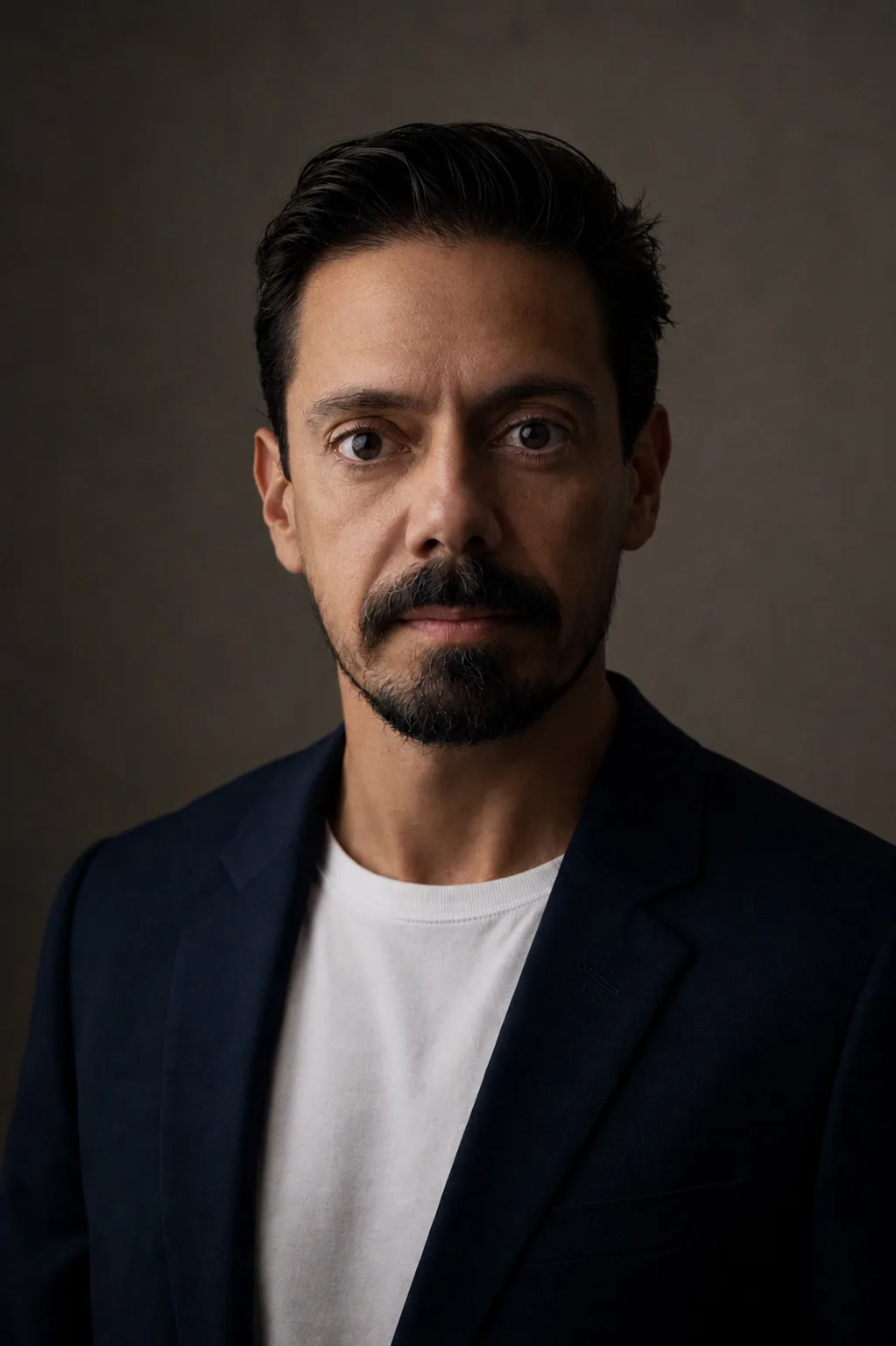
Xavier Magaña
Documentary Wedding Filmmaker
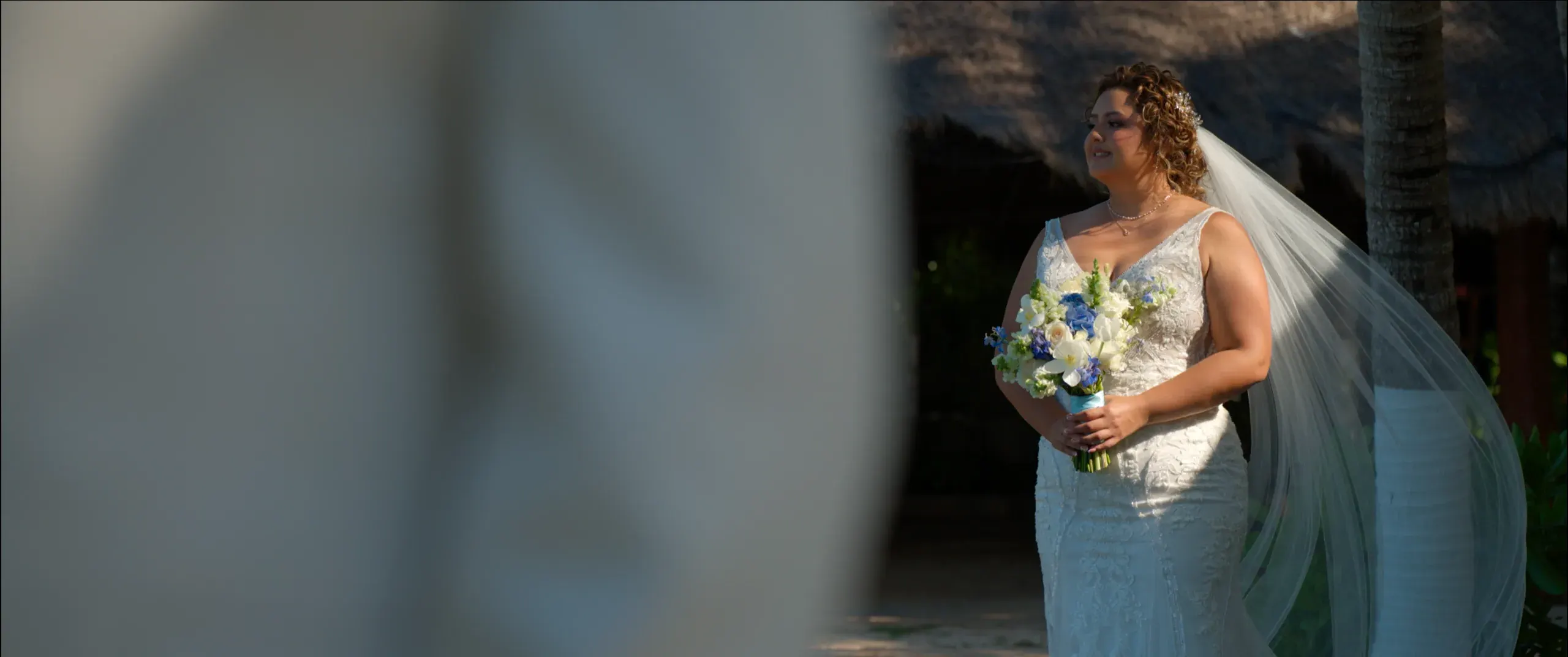
A boutique wedding filmmaker based in Cancún, Mexico, working across the Riviera Maya, Yucatán, the rest of Mexico, and internationally. I film between 8 and 10 weddings a year, by design, and handle every part of the process, from filming to final delivery, myself.
The path here
I came to filmmaking late, and through a door no one expected.
I studied economics, then completed an MBA at IPADE in Mexico City, which at the time was considered the best business school in Latin America. I spent the early part of my career in finance. By any conventional measure, the path was working. By every internal one, it wasn't.
In 2006, after a personal change, I bought a small pocket camera to take photos at parties and on trips. What started as something small became something I couldn't put down. For six years I worked in finance during the day and taught myself photography in every other hour I had. By 2012 I knew the half-measure wasn't sustainable. In August of that year I left finance entirely to pursue photography full time. I didn't have a backup. I had a camera and a decision.
The first stretch was self-taught. Books, online resources, the kind of obsessive trial and error that people only sustain when there is nothing else they want to be doing. When I reached the limit of what I could learn that way, I enrolled at the Academia de Artes Visuales in Mexico City for formal training. When I exhausted what that could give me, I applied to the School of Visual Arts in New York for a Master of Professional Studies in Digital Photography, at the time considered one of the two top photography programs in the United States, alongside Yale. I got in, secured the scholarships and financial aid I needed to make it possible, and went.
That was the path. It was not a straight line, and it was not safe. It was the only one I wanted.
Commercial work
After SVA, I returned to Mexico and built a commercial practice working with international brands including Hermès, Dior, L'Oréal, and Xcaret. The work demanded the same things a wedding demands, just in different proportions: reading a room under pressure, capturing clean audio in uncontrolled environments, making decisions about light, framing, and timing before the moment disappears. Second takes in commercial photography are very expensive on the day of the shoot. On a wedding day they don't exist.
Over more than a decade in commercial production I learned how to operate end-to-end on projects where every variable matters and no one is going to fix it for you in post. That technical discipline, the part of the work that lives in preparation, in redundancy, in knowing what your equipment will do at hour twelve when the light is gone and the audio is complicated, is what I bring to weddings.
The shift to weddings
I filmed my first wedding a little over a year ago. The fit was immediate. Everything I had built over the previous decade, the documentary instinct, the audio discipline, the editorial judgment, the comfort with chaos, converged in a format that finally used all of it at once.
A wedding is the most demanding thing I have filmed. It is also the one with the most at stake. The day cannot be rescheduled, the audio cannot be re-recorded, and the people in the room are not actors who will hit a mark on the second take. Everything that happens, happens once.
That is why I work the way I work, and why I made the deliberate choice to keep the studio small. Boutique is not a label I use for marketing. It is a structural decision. One filmmaker, one vision, one process from the first call to the final delivery. The film a couple receives is made entirely by the person they spoke with on the first day.
How I work
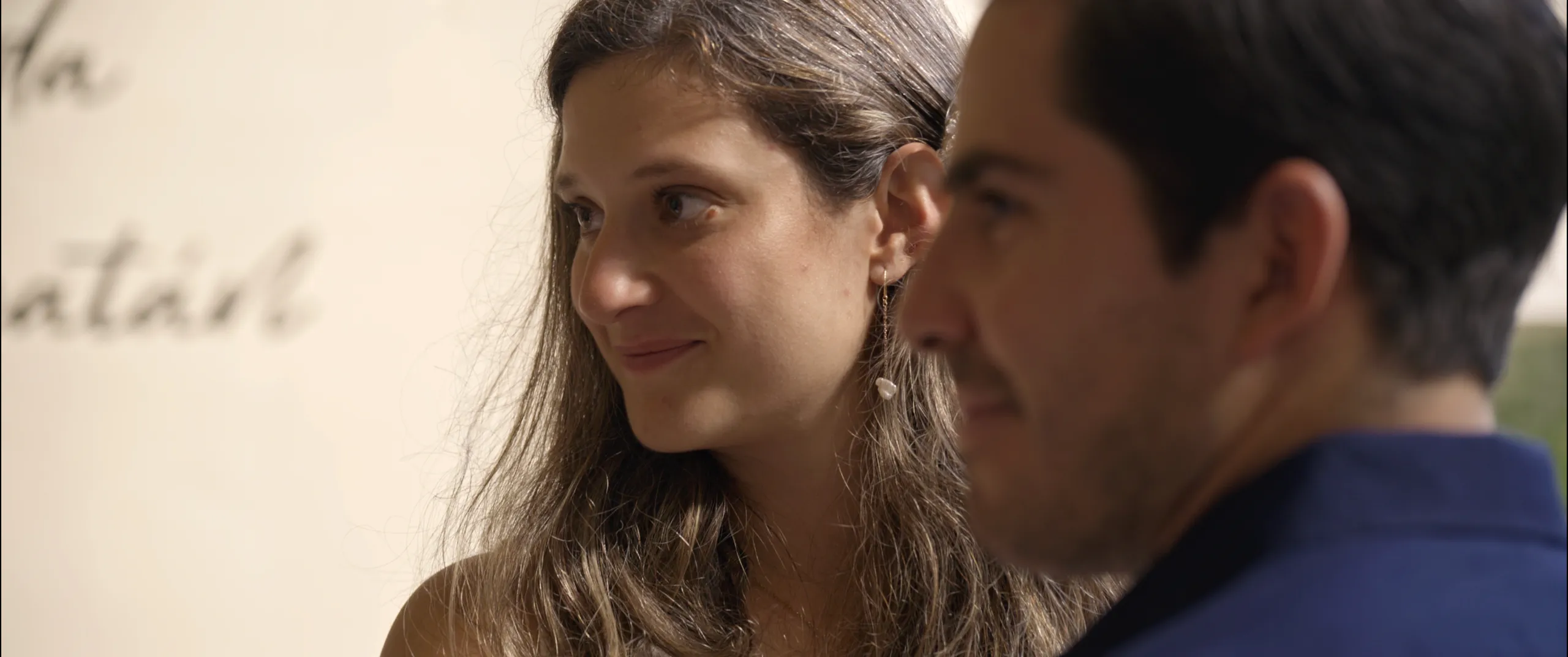
I film weddings the way a documentary filmmaker would, by observing rather than directing. Nothing is staged or recreated. The camera follows what is actually happening, and the editorial decisions are made afterward, when the day's real narrative becomes clear. The framing, the focal lengths, the way the work is shot, all of it is built around a perspective that feels closer to cinema than to event coverage. The goal is not just to document what happened, but to translate how it felt.
Audio plays a central role in the films. Vows, speeches, live music, and ambient sound are recorded redundantly with professional equipment and built into the narrative in the edit. Most of what makes a wedding feel like that wedding is in what people said, not in what they wore or where they stood.
The edit is structured around rhythm and emotional pacing. Music is selected to support the narrative from beginning to end, not as background but as a structural element. I do not use slow motion as a stylistic device, and I do not rely on filters or presets to give the work a cinematic feel. That comes from how it is shot, not from how it is colored. Every film is hand-graded.
On volume and approach
I take between 8 and 10 weddings a year. Not as a marketing device, but because filming, editing, and finishing a film of this kind is a process I do alone, end to end, and that process does not scale. Limited engagements are the cost of the approach, not the strategy behind it.
I work primarily with couples planning premium destination weddings in Cancún, the Riviera Maya, and Yucatán, and I travel internationally for weddings outside of Mexico when the work and the schedule align.
Within Mexico, that reach is not limited to the peninsula. I travel from Cancún for destination weddings in San Miguel de Allende, Mexico City, Morelos, Oaxaca, Los Cabos, Valle de Guadalupe, and Puerto Vallarta.
Get in touch
If you are planning a destination wedding in Mexico and looking for a film that feels natural, intentional, and true to the day, the next step is a conversation.