How I Work
Captured like a witness. Edited like a film.
The chair nobody else sits in
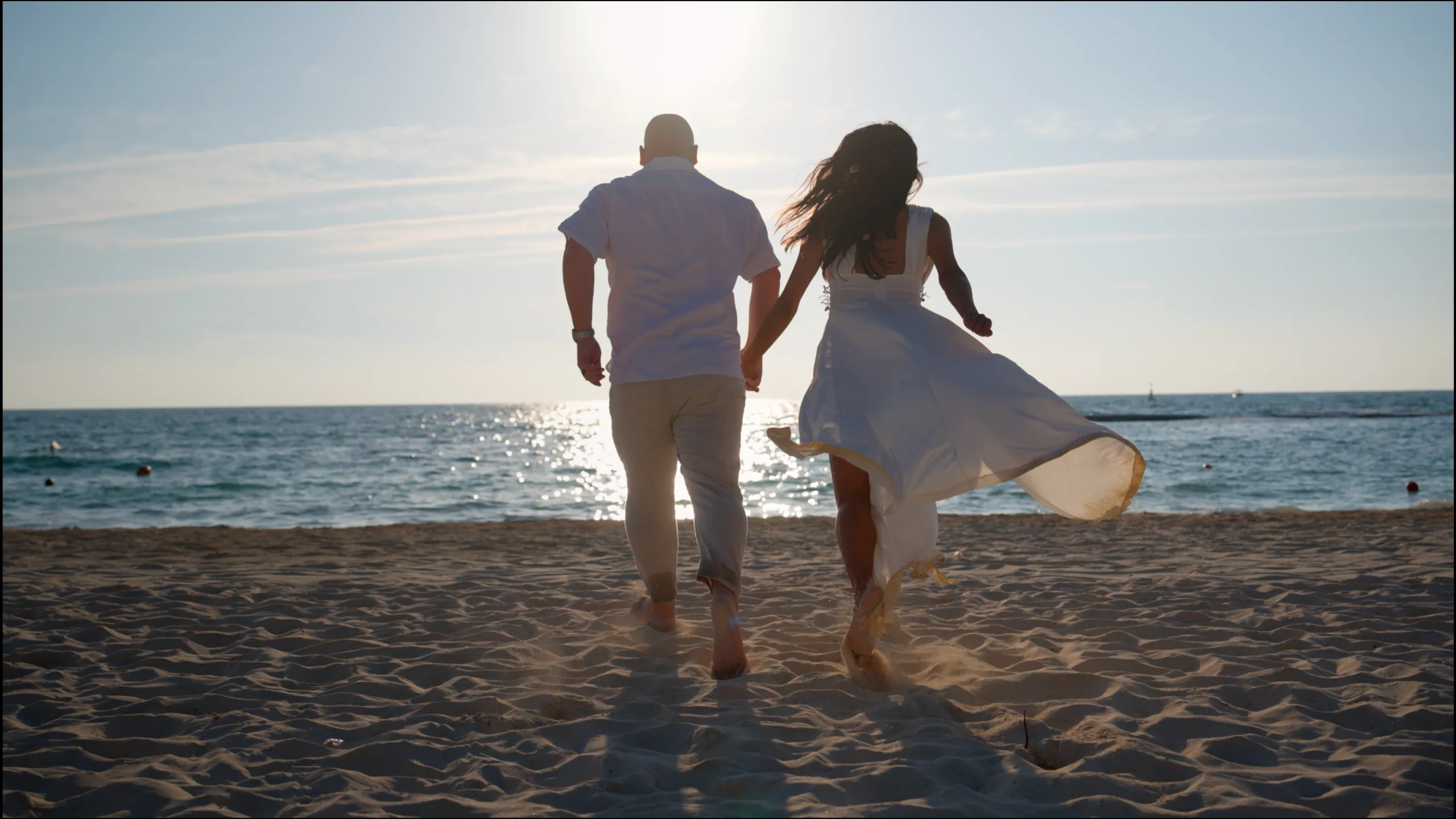
Everyone at a wedding has a job. The planner runs the timeline. The photographer produces the portraits. Your family is busy living it. I hold the one position with no task other than paying attention to the day as it actually happens.
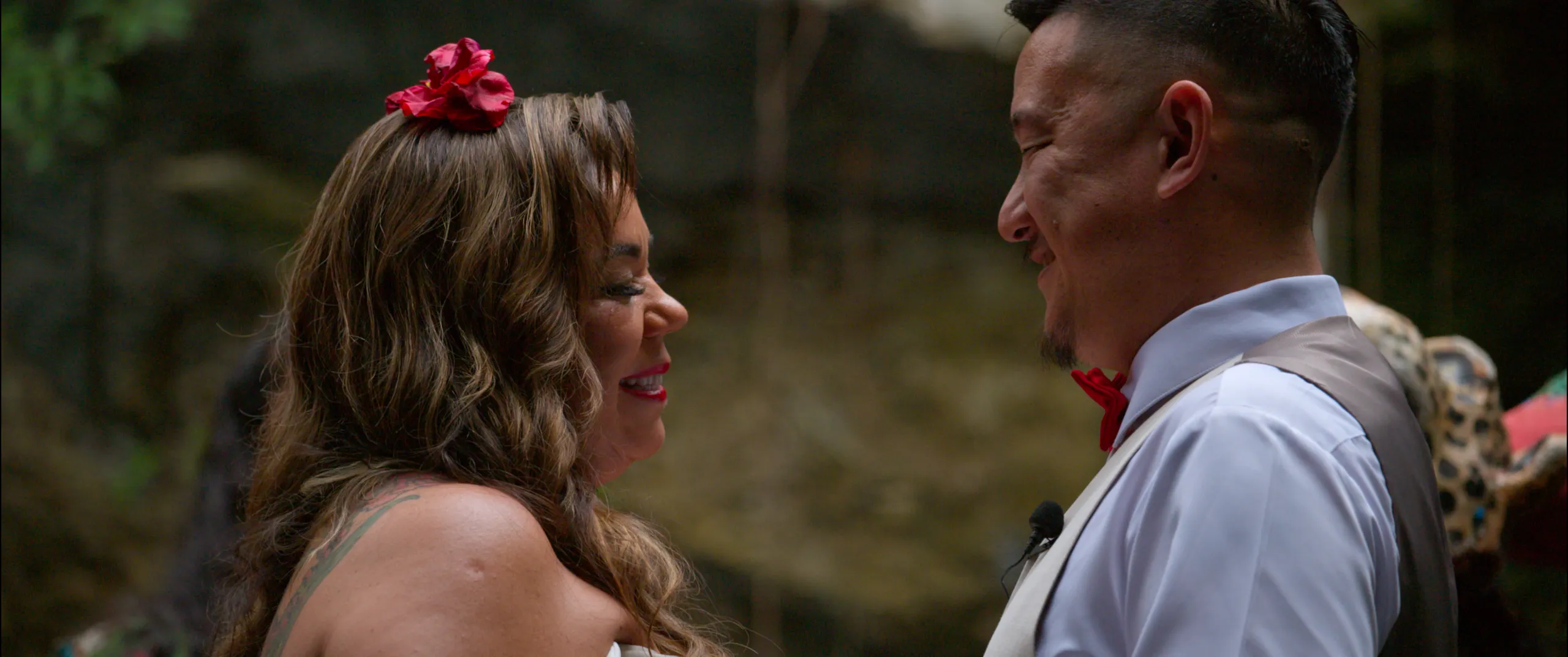
Weeks later, in the edit room, that position turns into something concrete: I get to see which moments survive. The spectacular shot rarely does. What lasts is your father's hands during the vows, your friends singing off key and meaning every word, the thirty seconds before you walked in. I have watched this pattern repeat across every film I have made, and it changed how I film. I work for the moments that will still mean something in ten years, not the ones that look impressive this week.
Reading the day, not directing it
I don't pose, direct, or recreate anything. But observing is not the same as pointing a camera. Through the day I read the couple, the guests, and the energy in the room, so I am in position before the real moments happen instead of reacting after them.
That reading shapes the edit too. The music and the order of the film are chosen for your wedding specifically, never from a template. It is why two of my films never feel the same.
Sound carries the film
The backbone of every film I deliver is real audio: your vows, the speeches, the ambient sound of the place. Years from now, that is what brings a day back. I record it with dedicated equipment, mix it deliberately, and build the narrative on top of it.
The party, built like the ending it deserves
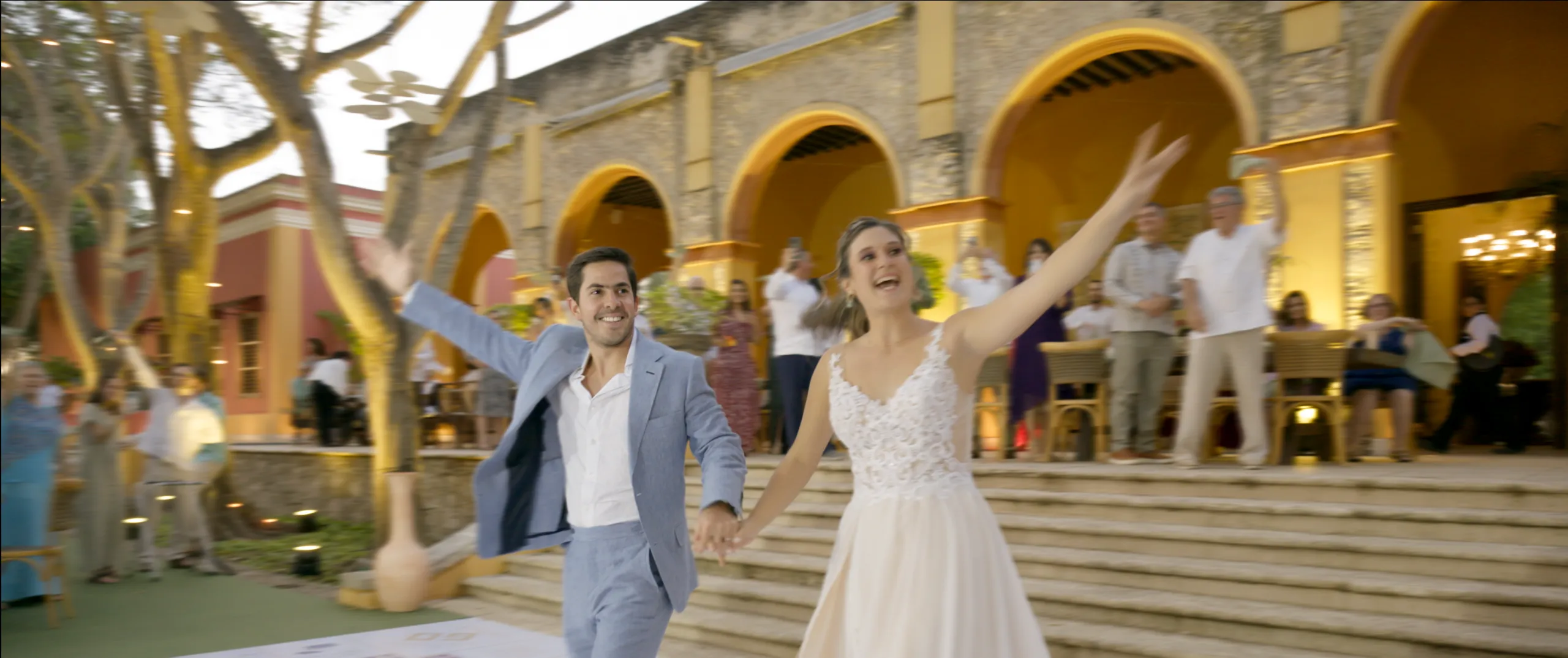
Most coverage treats the reception as filler. A few shots of the dance floor, generic music over it, done. From where I sit, the party is the emotional peak of the day. It is where people finally drop their guard and become completely themselves.
So I build it with the same care as the ceremony: multiple cameras, cut to the beat of that night's music, structured like the closing sequence of a film. It is consistently the part couples rewatch the most. Stay until the end of any of my films and you will see it.
The films are public, complete
You should not have to guess what you are buying. Every film I deliver is published complete on YouTube, from the first frame to the last. Watch one from beginning to end before we ever talk. That is the product.
A few weddings a year, on purpose
I take on eight to ten weddings a year. Each one is filmed and edited by me, with no associates and no second teams. That limit is what makes everything on this page true.
Before weddings, I spent thirteen years in commercial production for international brands, after a Master's in Digital Photography at the School of Visual Arts in New York. Second takes in commercial sets are very expensive. In weddings they don't exist.
Questions couples ask
Do you direct or pose couples during the wedding?
No. I don't stage moments, repeat entrances, or interrupt the day. The film is built from what actually happened, which is the reason it holds up years later.
Who films and edits the wedding?
Xavier, in both cases. The person watching your day unfold is the same person who later decides which moments make the film. No associates, no outsourced editing.
Why a full film instead of a highlights video?
A highlight reel shows the best looking shots. A film tells the day as a story, with your real voices carrying it. The difference is not in the quality of the images; it is whether there is a narrative holding them together.
How many weddings do you take per year?
Eight to ten, by design. It is the number that allows one person to film, edit, and deliver every project personally.
Do you travel outside Cancún and the Riviera Maya?
Yes. I'm based in Cancún and travel from there for destination weddings across Mexico, including San Miguel de Allende, Oaxaca, Los Cabos, Valle de Guadalupe, and Puerto Vallarta, and internationally when the schedule allows. Travel details are settled in the conversation.