
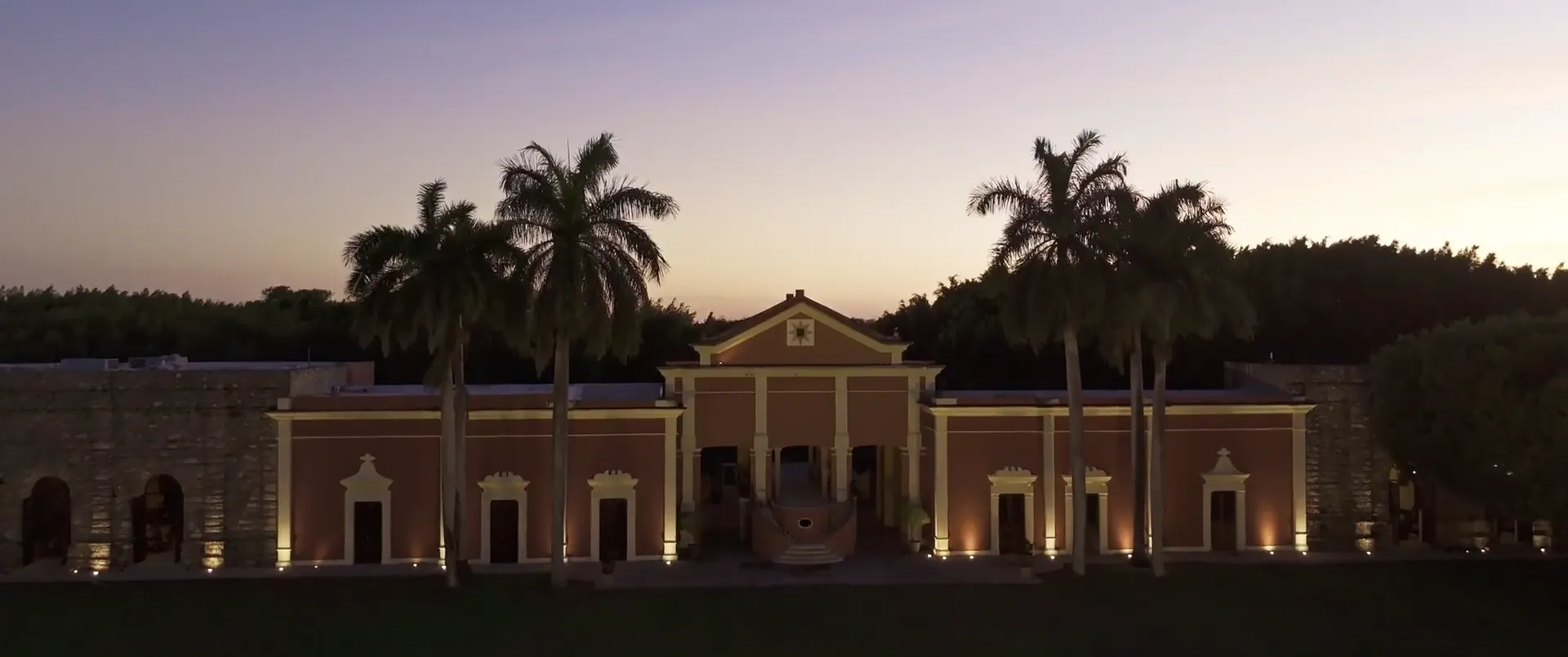
Couples researching a destination wedding in Mexico usually compare venues the way they compare hotels: by photos, price, and location. It makes sense, and it misses the single most consequential distinction in the entire planning process. Mexico's wedding venues operate under three fundamentally different business models, and the model determines who controls your vendor choices, what fees you will encounter, who actually runs your wedding day, and how much freedom you have over every decision that matters to you.
Most couples discover which type they booked after signing. This article exists so you can know before.
Type one: the all-inclusive resort
This is the model most people picture when they think "destination wedding in Mexico": the large properties of Cancún, the Riviera Maya, Los Cabos, and Puerto Vallarta, where rooms, food, and the wedding package come bundled.
In the Cancún and Riviera Maya corridor alone, this model spans properties as different as Moon Palace Cancún, the Dreams and Secrets resorts, Hard Rock Riviera Maya, Hotel Xcaret México, and the Grand Palladium complex. The brand tier changes the price of the policy, not the policy itself: a $150 vendor fee at Dreams Vista Cancún and a $1,500 fee at Hard Rock are the same mechanism at different numbers.
The defining feature of this model is that the resort itself is the gatekeeper of your wedding. It has an in-house wedding department, a preferred vendor list, and a direct financial interest in keeping your spending inside its ecosystem. Resort wedding programs are revenue centers, and preferred vendor arrangements typically involve the resort taking a commission on what those vendors bill you. This is the context that explains the outside vendor fee: when you bring in a photographer, videographer, or DJ who is not on the list, the resort charges an access fee that, depending on the property, runs from a few hundred dollars to $1,500 or more per vendor. We published a full breakdown of these fees, property by property, in what couples need to know about resort vendors vs. outside vendors.
What this means for your planning: at an all-inclusive, your vendor decisions carry a price tag beyond the vendor's own fee, the resort's coordinator (not your planner) often controls the timeline, and policies like sound curfews, drone rules, and vendor access rules are set by the property. None of this makes all-inclusives a bad choice. They remove enormous logistical weight, and for many couples that trade is worth it. But you should make the trade knowingly, and the single most useful thing you can do is request the vendor access policy in writing before signing the wedding contract, because that document almost never lives inside the contract itself.
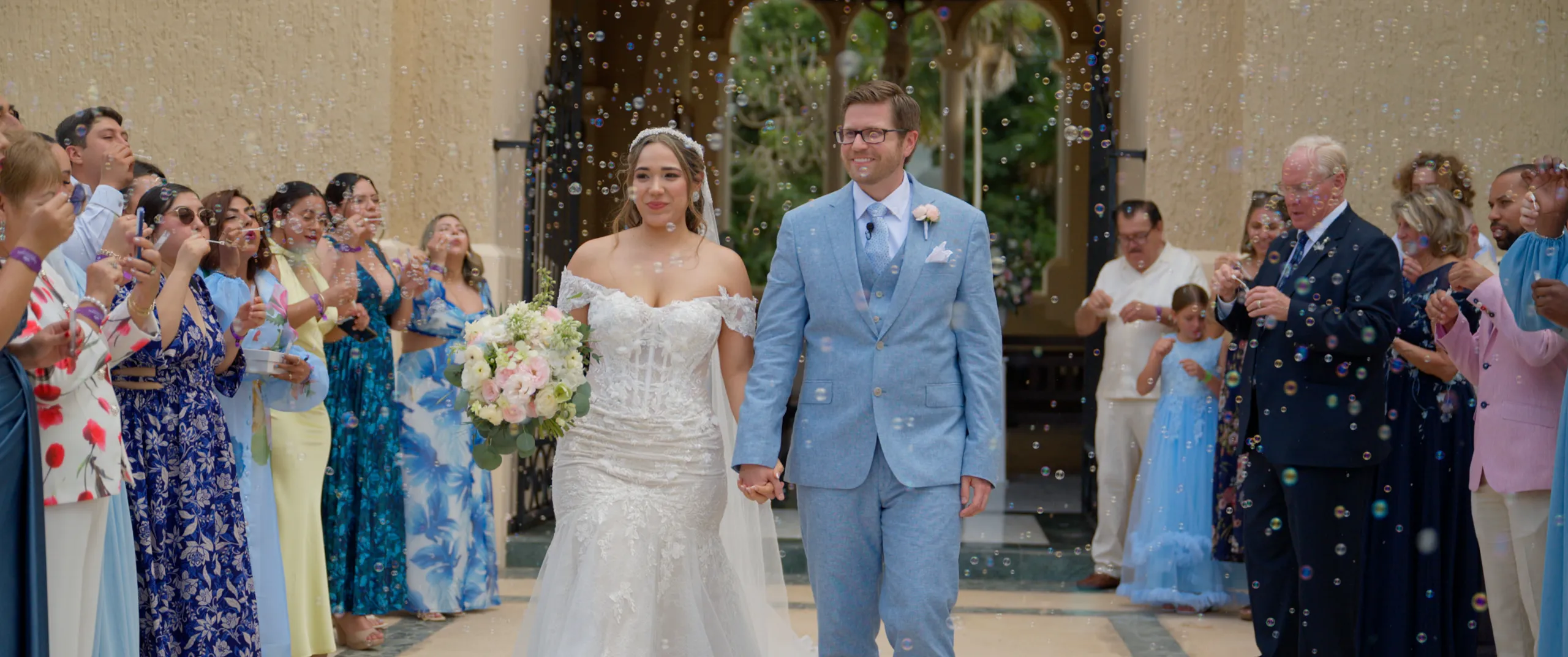
I have filmed inside this model. Diana and Zach's wedding at Grand Palladium Colonial in the Riviera Maya ran on the resort wedding department's timeline from the first event to the last, and the film came from working with that structure, not against it. The full film is public in the portfolio, which is also the honest way to evaluate what a documentary approach produces inside a resort's rules.
Type two: the luxury boutique hotel
The second model covers the high-design, European Plan properties: the boutique hotels and luxury flagships where rooms, food, and services are contracted separately rather than bundled. Think of the Mayakoba enclave (Rosewood, Banyan Tree, Fairmont, Andaz), standalone properties like NIZUC and Chablé Maroma, the design hotels of the Tulum beach road, or the haciendas of Yucatán operated by international hotel groups.
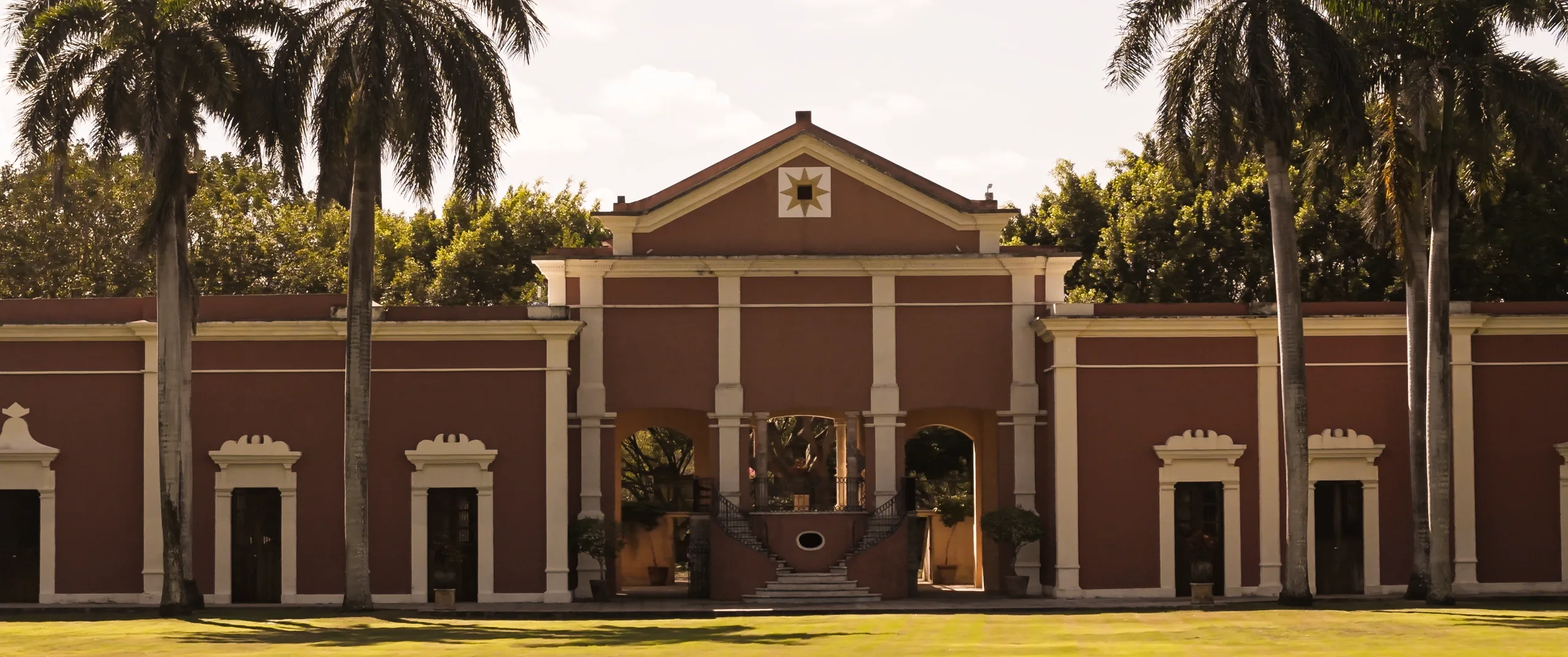
The defining feature here is opacity by design. These properties rarely publish wedding pricing, vendor policies, or packages. Everything is quoted bespoke, and access typically runs through a small circle of planners who work with these properties regularly. The property is not trying to sell you an in-house photo package; many of these hotels have no in-house photo or video team at all, because their model is the opposite of the all-inclusive: they provide the space and the service, and your planner assembles the rest.
What this means for your planning: at this tier, your planner is the key that opens the door, and choosing the right one matters more than at any other venue type. Vendor freedom is generally high once you are inside, but nothing about the process is self-service. If you are evaluating planners for a wedding at this level, the framework in how to choose a wedding planner for a destination wedding in Mexico covers the questions that reveal operational competence before you commit.
Type three: the private venue
The third model is the one growing fastest and the one couples understand least: private haciendas, villas, estates, ranches, and event gardens. The independent haciendas of Yucatán (Hacienda Xtepen and Hacienda Sac Chich among the best known around Mérida), the villas of Punta Mita and the Riviera Maya, the beachfront estates of Tulum, the farm venues of Los Cabos such as Flora Farms and Acre, the wineries of Valle de Guadalupe.
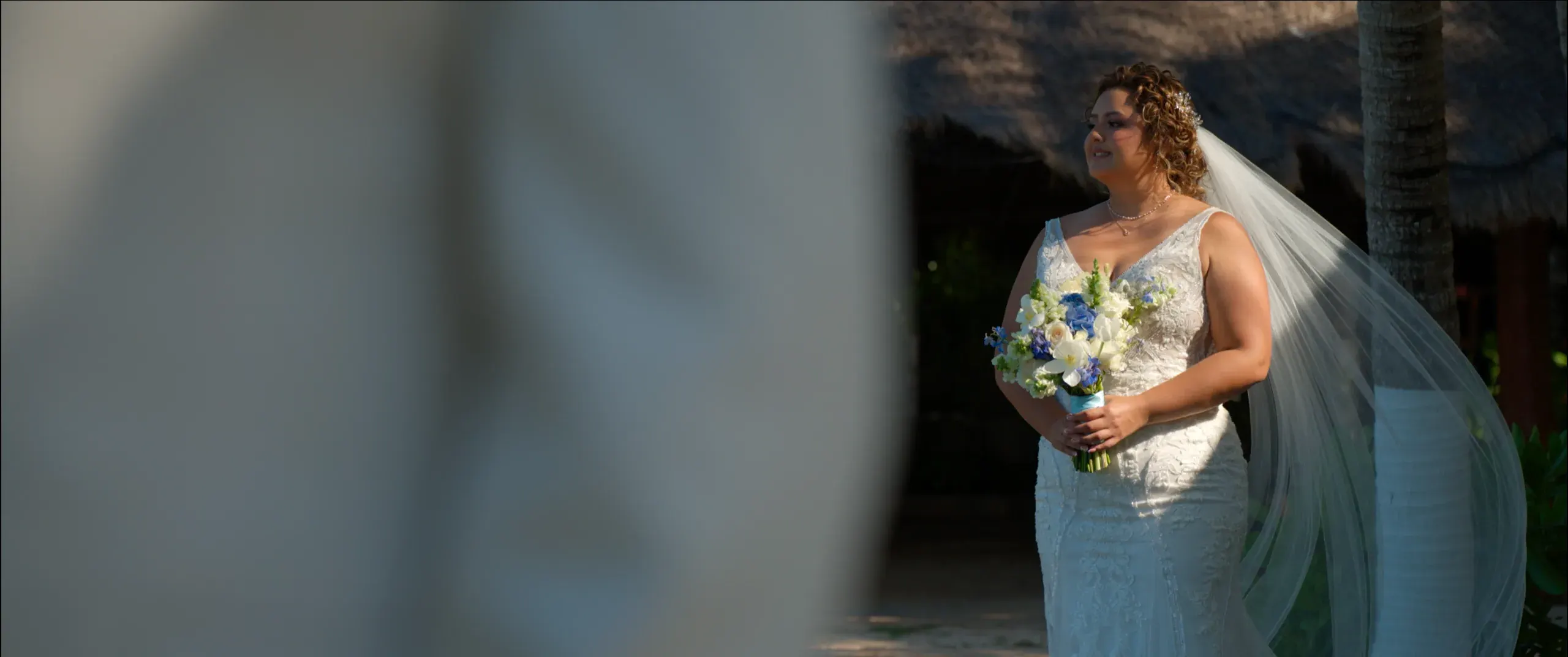
The defining feature is that you, through your planner, control the property. There is no in-house wedding department, no preferred vendor list to work around, and in most cases no outside vendor fee at all, because there is no in-house vendor revenue to protect. Many of these venues do not even have permanent event staff, which is why most of them require or strongly expect you to hire a professional planner: someone has to bring in every element, from catering to generators.
That last word matters more than it appears. Private venues, especially inland haciendas and cenote sites in Yucatán, often run partially or fully on generator power for events. This is normal and completely manageable, but it is the kind of operational detail that separates an experienced planning team from an improvised one, and it is worth asking about directly: where does event power come from, and where will the generator sit relative to the ceremony space.
What this means for your planning: maximum freedom, maximum responsibility. Every vendor is your choice, every logistical detail is your team's job, and the quality of your planner determines whether that freedom feels like luxury or chaos. For couples who care deeply about choosing each vendor individually, this model is structurally the best fit, and it is no coincidence that many of the most personal weddings in Mexico happen at venues of this type.
Most of my own work happens inside this model. I filmed María and Fernando's three-day wedding at Hacienda Xtepen outside Mérida (there is a full written case study in the journal), Maura and Jason's ceremony at Cenote Hats'uts in the Riviera Maya, Fiorela and Steven's wedding at Ocean Events in Costa Mujeres with the ceremony at the María Estrella del Mar chapel, and Yanet and Marc's wedding at a small beachfront club in Playa del Carmen. Four private venues, four completely different logistical realities, and one constant: the planner is the operating system of the day. The films are public in the portfolio.
How to tell which type you're actually booking
The names can mislead you. A "boutique resort" may operate on a full all-inclusive model, and a luxury hacienda may be run by a hotel group under model two or independently under model three. Three questions cut through the branding:
Ask whether outside vendors pay an access fee, and request the policy in writing. If a fee schedule exists, you are in model one territory regardless of what the property calls itself.
Ask whether the venue has in-house photo and video teams. In-house teams signal model one. Their absence signals model two or three.
Ask whether the venue requires you to hire an external planner. A mandatory planner requirement is the signature of model three, and it is a feature, not a burden: it means the property knows its own limits.
Closing thoughts
There is no superior model. There are couples for whom the all-inclusive trade is exactly right, couples whose wedding belongs at a boutique property with a great planner, and couples who want the full control of a private estate. The mistake is not choosing any one of them. The mistake is choosing one without knowing which set of rules you just agreed to. How those rules interact with specific traditions is covered in cultural and religious weddings in Mexico.
Whichever model you land in, the rule that protects you is the same: get every vendor policy, every fee, and every restriction in writing before you sign, not after. The venues that deserve your wedding will not hesitate to put their answers on paper.
Frequently Asked Questions
What is the difference between an all-inclusive resort wedding and a private venue wedding in Mexico?
At an all-inclusive resort, the property controls the wedding program: in-house coordinators, preferred vendor lists, and outside vendor fees for professionals you bring in. At a private venue such as an independent hacienda, villa, or estate, your planner controls everything: there is typically no vendor fee and no in-house team, but you are responsible for bringing in every element of the event, which is why most private venues require a professional planner.
Do all wedding venues in Mexico charge outside vendor fees?
No. Outside vendor fees are characteristic of all-inclusive resorts, where they protect the property's in-house vendor revenue. Luxury European Plan hotels handle vendor access case by case, often without a published fee. Private venues such as independent haciendas, villas, and estates generally charge no vendor fee at all, because the renter controls the property.
Why do some wedding venues in Mexico require you to hire a wedding planner?
Private venues like haciendas, villas, and estates usually have no in-house event department. Every element of the wedding, from catering to power generation, has to be brought in and coordinated by an external team. Requiring a professional planner protects both the couple and the property: it ensures someone experienced is responsible for logistics the venue itself does not provide.
How do I find out a venue's vendor policy before booking?
Ask in writing, before signing the wedding contract: what is the outside vendor fee for a photographer or videographer, is there a waiver policy, and can you send me the full vendor access policy document. At most resorts this policy lives in a separate document from the wedding contract, and couples who ask after signing have already lost their leverage.
Which wedding venues in Mexico have no outside vendor fee?
As a class, private venues generally charge none, because there is no in-house vendor revenue to protect. Independent haciendas around Mérida such as Hacienda Xtepen, cenote venues like Hats'uts in the Riviera Maya, event venues like Ocean Events in Costa Mujeres, and farm venues in Los Cabos are typical examples. Policies change with ownership, so always confirm in writing before signing.